
Why “Someday” Is the Hardest Place to Live!
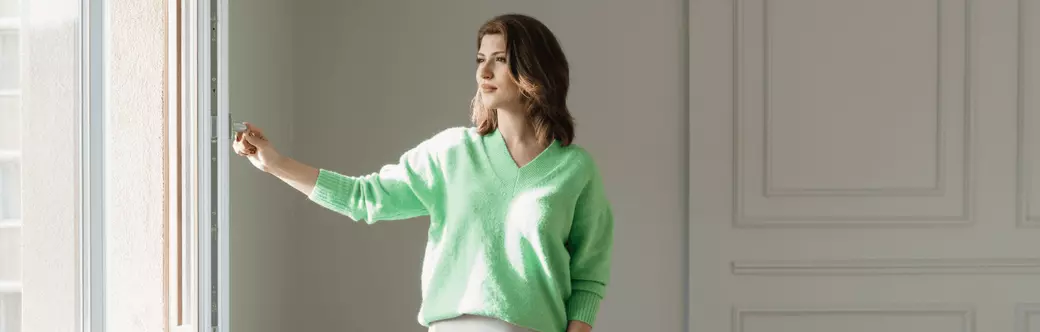
“Someday” sounds harmless. Even hopeful. It gives you permission to pause without feeling like you’re giving up. It lets you believe that the life you want is still coming—just not right now. And for a while, that feels comforting.
But over time, “someday” becomes heavy. It turns into a quiet waiting room where nothing is wrong enough to force change, yet nothing feels right enough to feel fulfilled. Especially when it comes to home, “someday” can become a place where life is tolerated instead of truly lived.
 Someday Feels Safe—Until It Slowly Starts to Shrink Your World
At first, staying feels practical. You tell yourself that your home still works, even if it doesn’t quite fit. You remind yourself that it’s familiar, manageable, and financially sensible. You make small adjustments—move furniture, reorganize closets, create routines that help you cope with the limitations. You adapt because that’s what responsible people do.
But slowly, those adaptations become compromises.
You stop inviting people over the way you used to.
You avoid certain rooms because they no longer serve you.
You plan your days around what your space allows instead of what your life needs.
The home hasn’t changed—but you have. And when a space no longer grows with you, it begins to quietly confine you. Not in obvious ways, but in subtle ones that accumulate over time. What once felt like safety begins to feel like restriction, even if you can’t quite name why.
 The Emotional Toll of Constantly Adjusting Instead of Living
Living in “someday” requires effort. More than most people realize. It takes energy to constantly tell yourself that things are fine when they don’t feel aligned. It takes emotional labor to downplay your needs, justify discomfort, and push your desires further down the list.
You begin to normalize frustration.
You tell yourself everyone feels this way.
You convince yourself that wanting more means being ungrateful.
But deep down, there’s a quiet exhaustion that comes from always adjusting instead of being supported. Your home should be the place where life feels lighter—not another place where you have to work around limitations. When that balance is off for too long, it starts affecting how you feel, how you rest, and how fully you show up in your own life.
 When “Someday” Becomes a Habit, Not a Thoughtful Choice
There’s a moment when waiting stops being intentional and starts becoming automatic. You don’t actively decide to stay—you just do. “Someday” becomes your default answer whenever the question of change comes up.
At this point, the fear isn’t just about making the wrong move—it’s about disrupting the familiar. Even if the familiar no longer fits, it feels predictable. And predictability can feel safer than possibility, especially when life already feels full or overwhelming.
But habits shape lives. And when waiting becomes a habit, it quietly determines your future without asking for your permission. Staying still may feel like neutrality, but it isn’t. It’s a choice that slowly defines what you allow yourself to experience.
 Choosing Now Doesn’t Mean Rushing—It Means Respecting Your Life
Choosing to step out of “someday” doesn’t mean acting impulsively or ignoring real responsibilities. It means acknowledging that your needs matter now, not only at some future milestone. It means giving weight to how your life feels today, not just how it might feel eventually.
This choice can begin gently. With reflection. With curiosity. With asking yourself honest questions about what’s working and what’s no longer sustainable. It can start with information, conversations, and clarity—long before any final decision is made.
Respecting your life now isn’t about pressure. It’s about presence. About recognizing that waiting indefinitely often costs more than moving thoughtfully forward.
The Fear Beneath “Someday”—And Why It Deserves Compassion
Fear is usually at the center of “someday.” Fear of regret. Fear of financial uncertainty. Fear of change itself. And that fear makes sense. Home is deeply emotional. It’s tied to memories, identity, and security.
But fear, while protective, is not meant to be permanent housing. When it dictates your decisions for too long, it quietly limits what you allow yourself to hope for. Familiar discomfort becomes easier than unfamiliar possibility—even when possibility holds the life you actually want.
Acknowledging fear doesn’t mean letting it lead. It means understanding it, then choosing whether it deserves the final say.
 What Happens When You Finally Step Out of “Someday”
The shift doesn’t always start externally—it starts internally. You feel a sense of relief simply from giving yourself permission to explore what’s next. You feel lighter knowing that you’re no longer postponing the question.
Life begins to feel more intentional.
Decisions feel more grounded.
Hope feels less abstract and more reachable.
Even before anything changes, something important already has—you’re no longer living in limbo. You’re participating in your life again.
Final Thought: “Someday” Should Be a Thought—Not a Place You Live
“Someday” is meant to be temporary. A pause. A breath. Not a long-term address where dreams quietly wait without being lived.
If your home feels like a place you’re enduring rather than enjoying, that feeling is worth honoring. Not with urgency. Not with pressure. But with honesty and care.
Because life doesn’t unfold in “someday.”
It unfolds in the moments you choose to listen to yourself.
And sometimes, the most meaningful change begins not with certainty—
but with the quiet realization that you’ve waited long enough.
But over time, “someday” becomes heavy. It turns into a quiet waiting room where nothing is wrong enough to force change, yet nothing feels right enough to feel fulfilled. Especially when it comes to home, “someday” can become a place where life is tolerated instead of truly lived.
Someday Feels Safe—Until It Slowly Starts to Shrink Your WorldAt first, staying feels practical. You tell yourself that your home still works, even if it doesn’t quite fit. You remind yourself that it’s familiar, manageable, and financially sensible. You make small adjustments—move furniture, reorganize closets, create routines that help you cope with the limitations. You adapt because that’s what responsible people do.
But slowly, those adaptations become compromises.
You stop inviting people over the way you used to.
You avoid certain rooms because they no longer serve you.
You plan your days around what your space allows instead of what your life needs.
The home hasn’t changed—but you have. And when a space no longer grows with you, it begins to quietly confine you. Not in obvious ways, but in subtle ones that accumulate over time. What once felt like safety begins to feel like restriction, even if you can’t quite name why.
The Emotional Toll of Constantly Adjusting Instead of LivingLiving in “someday” requires effort. More than most people realize. It takes energy to constantly tell yourself that things are fine when they don’t feel aligned. It takes emotional labor to downplay your needs, justify discomfort, and push your desires further down the list.
You begin to normalize frustration.
You tell yourself everyone feels this way.
You convince yourself that wanting more means being ungrateful.
But deep down, there’s a quiet exhaustion that comes from always adjusting instead of being supported. Your home should be the place where life feels lighter—not another place where you have to work around limitations. When that balance is off for too long, it starts affecting how you feel, how you rest, and how fully you show up in your own life.
When “Someday” Becomes a Habit, Not a Thoughtful ChoiceThere’s a moment when waiting stops being intentional and starts becoming automatic. You don’t actively decide to stay—you just do. “Someday” becomes your default answer whenever the question of change comes up.
At this point, the fear isn’t just about making the wrong move—it’s about disrupting the familiar. Even if the familiar no longer fits, it feels predictable. And predictability can feel safer than possibility, especially when life already feels full or overwhelming.
But habits shape lives. And when waiting becomes a habit, it quietly determines your future without asking for your permission. Staying still may feel like neutrality, but it isn’t. It’s a choice that slowly defines what you allow yourself to experience.
Choosing Now Doesn’t Mean Rushing—It Means Respecting Your LifeChoosing to step out of “someday” doesn’t mean acting impulsively or ignoring real responsibilities. It means acknowledging that your needs matter now, not only at some future milestone. It means giving weight to how your life feels today, not just how it might feel eventually.
This choice can begin gently. With reflection. With curiosity. With asking yourself honest questions about what’s working and what’s no longer sustainable. It can start with information, conversations, and clarity—long before any final decision is made.
Respecting your life now isn’t about pressure. It’s about presence. About recognizing that waiting indefinitely often costs more than moving thoughtfully forward.
The Fear Beneath “Someday”—And Why It Deserves CompassionFear is usually at the center of “someday.” Fear of regret. Fear of financial uncertainty. Fear of change itself. And that fear makes sense. Home is deeply emotional. It’s tied to memories, identity, and security.
But fear, while protective, is not meant to be permanent housing. When it dictates your decisions for too long, it quietly limits what you allow yourself to hope for. Familiar discomfort becomes easier than unfamiliar possibility—even when possibility holds the life you actually want.
Acknowledging fear doesn’t mean letting it lead. It means understanding it, then choosing whether it deserves the final say.
What Happens When You Finally Step Out of “Someday”The shift doesn’t always start externally—it starts internally. You feel a sense of relief simply from giving yourself permission to explore what’s next. You feel lighter knowing that you’re no longer postponing the question.
Life begins to feel more intentional.
Decisions feel more grounded.
Hope feels less abstract and more reachable.
Even before anything changes, something important already has—you’re no longer living in limbo. You’re participating in your life again.
Final Thought: “Someday” Should Be a Thought—Not a Place You Live“Someday” is meant to be temporary. A pause. A breath. Not a long-term address where dreams quietly wait without being lived.
If your home feels like a place you’re enduring rather than enjoying, that feeling is worth honoring. Not with urgency. Not with pressure. But with honesty and care.
Because life doesn’t unfold in “someday.”
It unfolds in the moments you choose to listen to yourself.
And sometimes, the most meaningful change begins not with certainty—
but with the quiet realization that you’ve waited long enough.
Categories
Recent Posts

Living in Wauwatosa, WI: Everything You Need to Know Before You Move
The Documents That Quietly Determine Your Sale’s Success
Selling Your Home Isn’t Just Listing a Sign—It’s a Strategy

When Overpaying Feels Tempting: How to Decide With Confidence

The Tools Smart Buyers Use to Stop Guessing and Start Knowing

The Things Your Agent Should Be Doing (That They Probably Aren’t)

How to Win in a Competitive Market Without Losing Yourself
These Small Choices Could Make or Break Your Homebuying Journey

The Secret Messages Your Home Is Sending You

When “It Has Potential” Isn’t So Innocent!
GET MORE INFORMATION