
What People Notice First—and Last—When Touring Homes!
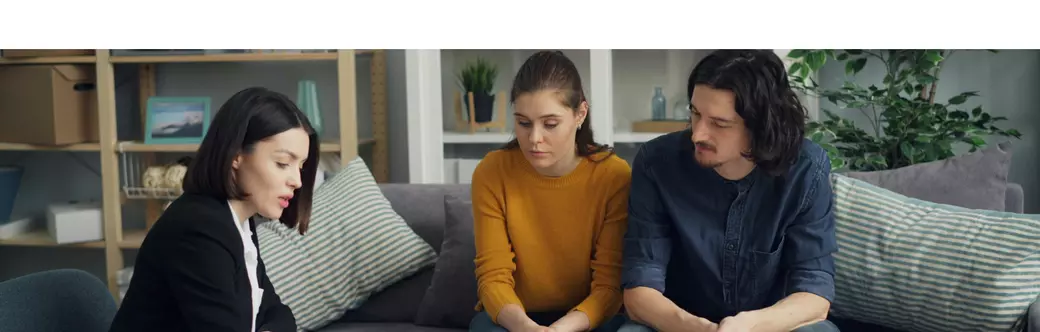
People often believe they tour homes with their eyes.
They think they’re evaluating square footage, finishes, and features. They believe they’re being practical, objective, and rational. But the truth is, a home tour is rarely about what’s visible on paper.
It’s about what’s felt quietly—and remembered long after the door closes.
Before the Door Opens, the Story Is Already Unfolding
Long before anyone steps inside, the home has already started speaking.
The approach matters. The way the house sits on the lot. The feeling of pulling up and pausing for just a second longer than expected. People notice the rhythm of the street, the distance between neighbors, the way the home holds itself among others.
They take in details they won’t mention later—how the front path feels underfoot, whether the entry feels exposed or protected, whether the house feels like it belongs there or is simply occupying space.
Even silence carries meaning. A quiet moment before the door opens allows imagination to stir. People begin asking questions without realizing it:
Would I feel comfortable arriving here every day? Would this feel familiar—or foreign—over time?
This moment sets expectations. It’s subtle, but it’s powerful. A home that feels welcoming before it’s even entered already has an emotional head start.
Crossing the Threshold Is Where Emotions Take the Lead
The act of stepping inside a home is deeply instinctual.
People often slow their pace without being told. Their eyes adjust, but so does their energy. The outside world fades slightly, and the interior begins to assert itself—not just visually, but emotionally.
They notice the temperature. The light. The way sound travels—or doesn’t. They become aware of how their body responds in the space. Are they comfortable standing still? Do they feel like moving forward? Does the space feel open, or does it quietly ask them to shrink?
This is where logic begins to loosen its grip. A home doesn’t need to impress at this point. It needs to feel safe, easy, natural. Spaces that feel authentic tend to create calm. Spaces that feel overly staged or rigid can feel performative—beautiful, but distant.
People rarely say this out loud, but this is often where a quiet internal decision begins forming.
Somewhere Along the Tour, Imagination Takes Over
After the first few rooms, something shifts.
The tour stops being observational and becomes personal. People stop thinking, What is this house? and start wondering, What would life feel like here?
They imagine mornings unfolding naturally. Evenings winding down. Seasons changing. They consider where light would land during different times of day, and how the home might sound when it’s quiet.
They notice whether movement through the home feels intuitive or awkward. Whether transitions between spaces feel smooth or forced. Whether the home supports daily life—or constantly asks for adjustment.
This is where homes quietly separate themselves from one another. A home that allows people to imagine living there without effort creates comfort. A home that requires explanation creates distance.
The Rooms That Stay With People Aren’t Always the Ones They Expected
Most people assume they’ll remember the biggest or most impressive spaces.
In reality, what lingers is far quieter.
A window that framed the outside world perfectly.
A corner that felt peaceful without reason.
A room that simply felt right, even if it wasn’t the largest or most updated.
These spaces don’t announce themselves. They don’t demand attention. They sit patiently in the background, waiting to be felt rather than admired.
Later, when people struggle to recall specifics, these moments rise to the surface. They become emotional anchors—small, quiet memories that shape comparison without permission.
Details Blur, But Feelings Become the Filter
Hours after the tour, clarity begins to fade.
People forget which home had which features. They mix up layouts. They confuse finishes. The practical details slowly lose definition.
But emotions sharpen.
They remember how one home felt calming.
How another felt heavy.
How one seemed effortless, while another felt like work.
These feelings become the lens through which every other home is judged. Even objectively “better” options are subconsciously measured against the emotional memory of one particular space.
This is why people often say, “I don’t know why, but I keep thinking about that one.”
The Final Moments of a Tour Carry More Weight Than Most Realize
The ending matters more than most people expect.
The last room visited. The final glance down a hallway. The pause before stepping back outside. These moments quietly cement the experience.
A strong ending doesn’t overwhelm—it reassures. It leaves people feeling settled, not rushed. Clear, not conflicted. Comfortable, not pressured.
People don’t need a grand finale. They need a sense of completion. A feeling that the home has shown them who it is—and trusted them to decide.
After the Door Closes, the Home Continues the Conversation
The tour may end, but the home doesn’t disappear.
It follows people into their thoughts later that day.
It resurfaces while scrolling through other listings.
It appears in casual conversations, often unprompted.
Not because it was perfect—but because it was felt.
And that is the quiet truth of real estate: homes are remembered not for what they offer, but for how they make people feel when no one is watching.
Why First and Last Impressions Shape Every Decision
Homes aren’t chosen through logic alone.
They’re chosen through emotion, memory, and imagination.
The beginning opens the door to possibility.
The middle builds connection.
The ending leaves something behind.
And long after numbers fade and details blur, what remains is the feeling that lingered—quietly, patiently, and honestly.
That’s what people notice first.
And that’s what they remember last.
Categories
Recent Posts





GET MORE INFORMATION